——————————————————————
PART ONE — VANCOUVER
The Man Before the Music
My name is Steven, though the city that cast me out knew me only as Pied — a nickname that came later, after the music, after everything. Names, I have learned, are containers. They hold only what you pour into them, and no more.
I am writing this from a hillside far from any city. Behind me the tree line thickens into darkness. Ahead, through a gap in the pines, I can still make out — or imagine I can make out — the distant smear of light that cities leave on the underside of clouds. Hamelin. My Hamelin. The city I served and the city that destroyed me.
But to understand how I came to be here, alone on this hillside with nothing but a wooden recorder and the memory of music that once moved thousands, you must first understand where the recorder came from. And that story begins not in Hamelin but in the Yucatán, in the summer of a year when I was still simply Steven, and still young enough to believe that marvels were something that happened to other people.
——————————————————————
PART TWO — CHICHÉN ITZÁ
The Cenote
I had always been drawn to ancient things. Not their beauty — though the beauty was real — but the specific gravity of them, the way certain stones seem to remember weight that modern materials refuse to carry. So when I found myself with two weeks and a cheap flight and no particular reason to stay in Vancouver, I went to the Yucatán.
Chichén Itzá in summer is an assault — the light, the heat, the crowds. I moved through the Temple of the Warriors and the Great Ball Court in a state of pleasant overwhelm, taking photographs I knew I would never look at, nodding at things the guidebook said were significant. I was performing tourism. I was not yet paying attention.
Then I reached the cenote.
The sacred cenote of Chichén Itzá is a natural sinkhole, roughly sixty meters across, its sheer limestone walls dropping twenty meters to dark water below. The Maya considered it a portal to Xibalba — the underworld — and for centuries cast offerings into its depths: jade, gold, copal resin, and, archaeologists have since confirmed, human beings. Standing at its edge, I felt the tourist performance fall away from me entirely. The water was not blue or green. It was the particular dark colour of things that have been waiting a very long time.
I am not a mystical person. I want to be clear about that. I do not read horoscopes. I do not believe in signs. What happened next I have turned over in my mind ten thousand times, and I can only tell you what I experienced, not what it meant.
I saw a figure in the water.
Not a reflection. Not a trick of light. A figure seated at the bottom of the cenote, cross-legged, ancient, perfectly still, looking up at me with an expression I can only describe as patient. As though he had been waiting, specifically, for me. In the vision — and I will call it a vision because I have no better word — he told me his name was Xpiyacoc, and that something of his had been sleeping in the mud at the bottom of this water for a very long time, and that I was the one meant to wake it.
Before I had made any conscious decision, I was in the water.
The cenote was cold — shockingly cold after the brutal heat of the surface. I dove deep, past the thermocline where the temperature drops like a held breath released, and at the bottom, half-buried in centuries of sediment, my hand closed around something smooth and hard. I brought it to the surface. I climbed out. I sat in the sun with a crowd of curious tourists watching me drip, and I looked at what I had found.
A recorder. Wooden, dark with age, carved with glyphs I couldn’t read. Small enough to fit in a jacket pocket. Completely intact.
— and when I put it to my lips, the air around me changed —
The notes that came out were not notes I had chosen. They arrived through me the way weather arrives — I was the instrument and the recorder was the player. The ruins responded. I do not mean this metaphorically. The stones of Chichén Itzá began to move, assembling themselves briefly into forms — dancers, drummers, figures caught mid-gesture in some ceremony I was not old enough to understand. The tourists stopped. Everyone stopped. And then everyone began to move.
Not in panic. In something that looked, from the outside, like joy. They danced. They wept. A man in a polo shirt and cargo shorts, the very emblem of a person who does not dance, danced. I watched his face as he did it, and what I saw there was not joy exactly. It was helplessness. He was dancing the way a flag flies — not because it chooses to, but because something larger had taken hold of it.
I stopped playing. The man stopped dancing. He looked around, confused and vaguely frightened, as though waking in a room he didn’t recognize.
I put the recorder in my pocket and said nothing to anyone. I took the bus back to my hotel. I sat on the edge of my bed in the dark and held the recorder in both hands for a long time.
I had found something extraordinary. I had also found something dangerous. And I had already used it on people who had not consented to be used.
These two facts seemed, then, to cancel each other out. Now I know they do not.
——————————————————————
PART THREE — HAMELIN
The Mayor’s City
I will not tell you, yet, how I came to Hamelin, or why I stayed, or what I did there that made the Mayor decide I needed to be removed. Those are longer stories, and they require a different kind of telling. What I will tell you is this: I believed, for a time, that I was helping.
The Mayor was a man I had worked for. Not in any grand capacity — I was a baker at his bagel shop, one of a handful of blue collar workers who showed up before dawn to get the ovens going while the city was still dark and quiet. I knew his habits, his vanities, the specific mechanism of his self-regard. He had the politician’s gift for making his ambitions sound like your interests — a trick I recognized because, with the recorder, I could do something similar. We were, in that respect, the same kind of person. I think this is why he feared me.
There is a particular humiliation in being laid off by a man you have fed. I had baked his bread. I had kept his business running through early mornings and flour-dusted shifts and the low, honest satisfaction of work done with your hands. When the pandemic hit and the economics changed and the Mayor decided to cut his losses, I received the news not from him but from a manager half his age with a clipboard and an apologetic expression. Three paragraphs. A severance figure that was technically correct. The particular cruelty of being erased by paperwork rather than by a person.
I should have left then. I didn’t.
Instead, I played.
I played in the streets, in the squares, in the parks along the waterfront. People came, as people always came, drawn by something in the music they couldn’t name. They danced, they laughed, they followed me through the city in long winding processions that the local press photographed with a tone of charmed bemusement. I told myself I was giving the city something. I told myself the joy on their faces was real.
The Mayor did not see it that way. Crowds that form without his permission are, to a man like the Mayor, a kind of threat. And a man who can form crowds is, to a man like the Mayor, a kind of enemy.
The rumour started small. Have you heard about the piper? Something in the music. Something he’s putting in the air. By the time it reached the newspapers it had hardened into allegation: I was distributing substances. I was drugging children. I was a predator with a flute, and the Mayor, that great protector of the city’s innocents, was doing everything in his power to find me and stop me.
None of it was true. I want to be precise about that. I never distributed anything. The music alone was enough — the recorder, Xpiyacoc’s recorder, the thing I had pulled from the mud at the bottom of a sacred well — did everything without any assistance from chemistry or pharmacology. Which meant, of course, that the Mayor’s lie was in some technical sense worse than the truth. The truth was stranger and more disturbing than anything he had invented.
But the lie spread. Lies of that particular shape always do. And so I ran.
——————————————————————
CODA
The Hillside
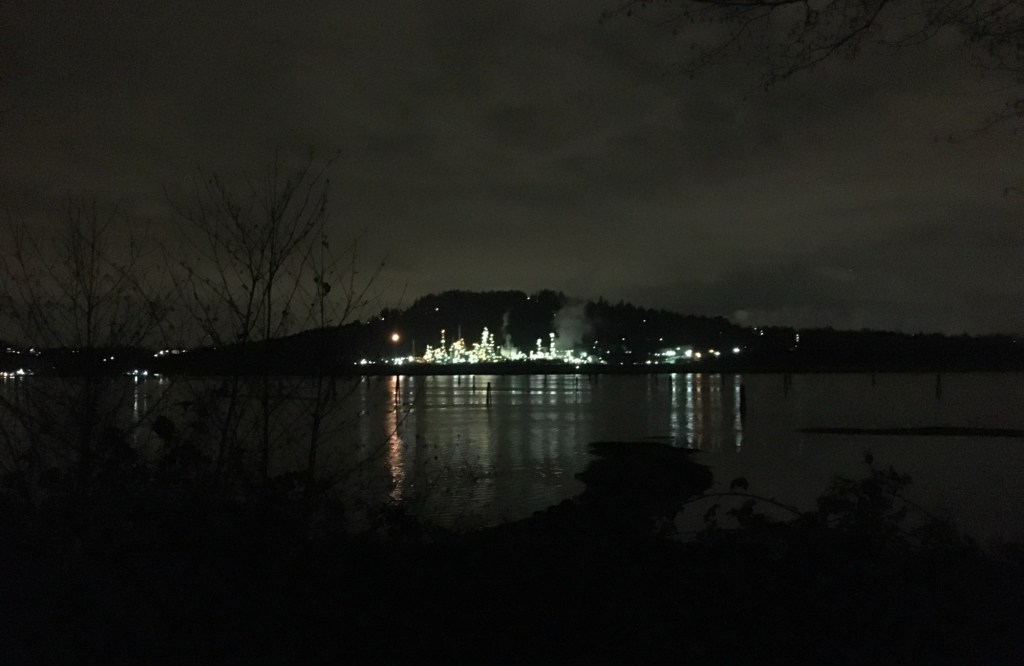
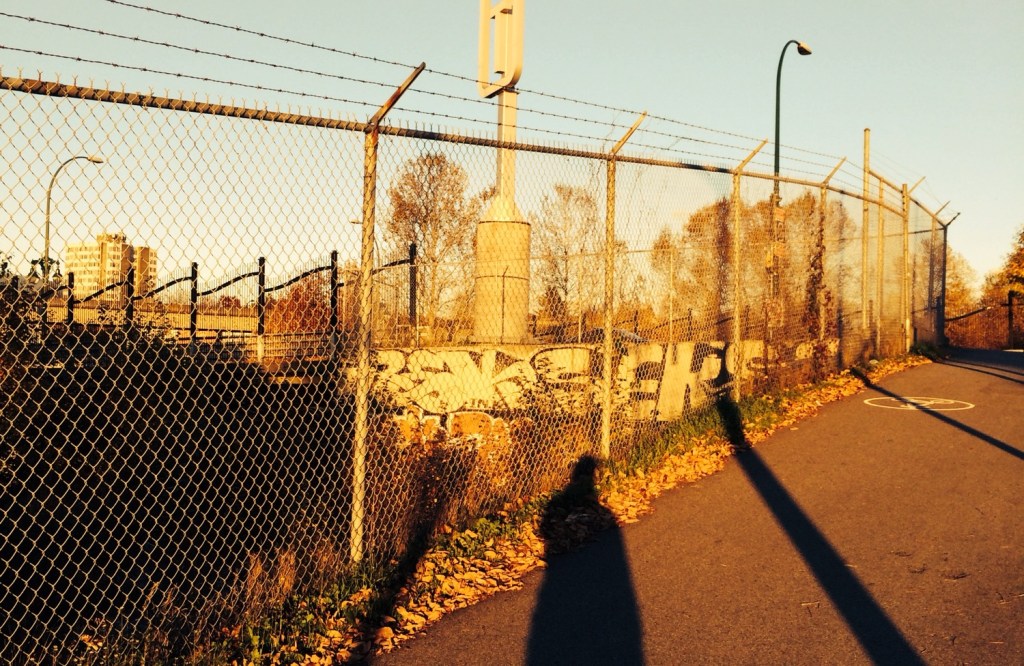
I have been exiled from the city that was my home. I am alone in a wilderness far from the gleaming lights and clustered towers of a city on the edge of the sea.
The recorder is here with me. I have not played it since I left. I’m not sure I trust myself to play it — not yet, not out here, not without knowing who might be listening, who might be compelled to come.
At night I think about the man in the cargo shorts, dancing against his will at Chichén Itzá. I think about his frightened face. I think about all the people in Hamelin whose bodies moved to music they hadn’t chosen, and whether the joy they felt was really joy, or just what joy looks like from the outside when someone else is pulling the strings.
I think about the Mayor. His press conferences. His careful, righteous face. The way he says the children of this city as though they belong to him.
We are more alike than I want to admit. He moves people with language. I move them with music. Neither of us, in the end, asked permission.
The difference — and I hold onto this, in the dark, on the hillside — is that I know what I am. I know the recorder’s power is not mine. I am only its caretaker, as Xpiyacoc told me, as the cold water of the cenote confirmed. The Mayor believes his power is entirely his own creation.
That, I think, is the more dangerous delusion.
But the children are still in Hamelin. And the rats — the Mayor’s rats, his consultants and cronies and appointed friends — are still running the city.
I still have the recorder.
And I am not yet done.
——————————————————————
This is a work of fiction. All characters, including the Mayor of Hamelin, are fictional constructs.
Any resemblance to actual persons or events is a matter of literary imagination.



 Chasing Lowry